Written from the trenches of Auckland real estate by Amit Sharma — Bayleys agent, 10+ years marketing experience.
Every vendor asks some version of this question, and most get the answer backwards. The instinct is to improve the house. What actually pays is removing reasons to hesitate. Buyers do not add up your improvements and offer more; they find the things that worry them and quietly deduct — usually by more than the fix would have cost you.
Worth doing: a deep professional clean, fresh neutral paint where walls are tired, replacing broken or dated light fittings, fixing every obvious defect (door handles, leaking taps, cracked tiles), and tidying the garden so the front of the house photographs cleanly.
What these have in common is that they are cheap, fast, and visible in photographs. That is the entire test. A dripping tap costs almost nothing to fix and costs you far more than that if a buyer decides the house has not been looked after — because they stop assessing the tap and start wondering what else was neglected. You are not fixing a tap; you are buying back the benefit of the doubt.
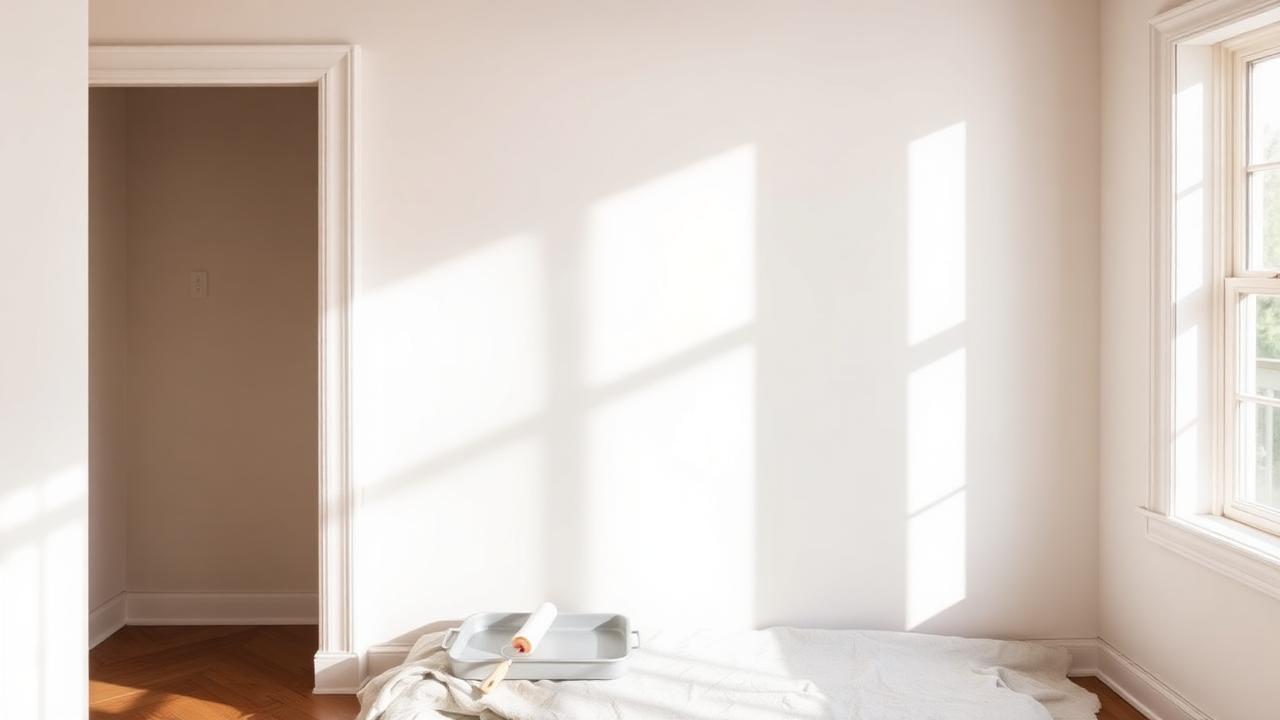
Neutral paint is worth being specific about. Neutral does not mean beige and it certainly does not mean covering everything in flat white — it means a wall colour nobody has an opinion about, so that attention goes to the space rather than to the decision. If your walls are in good condition, wash them and leave them. Repaint only what is genuinely tired.
Often worth doing: professional staging for vacant homes, replacing badly worn carpet in the main living areas, and re-grouting tired bathrooms.
Carpet is the judgement call in this group. Badly worn carpet in a main living area is a "this needs work" flag that colours everything else a buyer sees; carpet that is merely dated but clean and intact is usually fine to leave. If you do replace it, choose the plainest mid-tone in the range and do not spend up — you are removing an objection, not making a design statement the next owner will thank you for.
Rarely worth doing: full kitchen replacements, full bathroom replacements, swimming pools, or any deeply personal design choice. You will rarely recoup the spend, and you may put off buyers who would have happily renovated to their own taste.
The kitchen one surprises people, so it is worth explaining. A dated but sound kitchen reads to many buyers as an opportunity — they can see themselves putting their own stamp on it, and they have budgeted for that. A brand-new kitchen in someone else's taste is not an opportunity; it is a room they now have to live with or pay to remove. You spend a lot, and a meaningful share of buyers value it at nothing.
If a kitchen or bathroom is genuinely failing rather than merely dated — water damage, non-functional appliances, mould — that is a different problem and belongs in the "worth doing" list, because it is a defect rather than a style.
Never worth doing: anything unconsented in the final months before sale, or any structural work you cannot finish properly before campaign launch. Half-finished work is worse than no work.
Unconsented work is the one that genuinely costs people money, and it deserves more than a line. It shows up on the LIM, buyers' lawyers find it, banks and insurers ask about it, and it turns into a discount or a withdrawn offer at the worst possible moment. If there is existing unconsented work on your property, talk to your agent and your lawyer early about how to disclose it properly. Adding more in the months before a sale is simply creating a problem you will then have to price.
Rule of thumb: if a job will take more than four weeks or cost more than two percent of your likely sale price, get a second opinion before you start.
A second, sharper test: would a buyer notice if this were not done? If the honest answer is no, the money is better spent on presentation and marketing, which every single buyer notices. Time matters as much as cost — a job that overruns and pushes your campaign past the window you were aiming for can cost more than the work was ever worth.
The best $5,000 most vendors spend is on cleaning, staging and a great campaign — not on a renovation the next owner will redo anyway.
The reason is simply that presentation and marketing compound across every buyer, while a renovation appeals to whichever subset shares your taste. A deep clean, good staging and strong photography make the same house look better to all of them at once. That is the closest thing to a free lunch this process offers.