Written from the trenches of Auckland real estate by Amit Sharma — Bayleys agent, 10+ years marketing experience.
Print is not dead, but its role has shrunk. The buyers who once flicked through the Property Press on a Saturday morning now scroll Instagram, TikTok and Facebook every night of the week. If your listing is not appearing in those feeds, you are invisible to a large chunk of the buyer pool — particularly anyone under 45.
There is a structural reason social matters beyond simple reach, and it is the difference between search and discovery. A portal reaches people who have already decided to look for a house today. Social reaches the much larger group who would move for the right property but are not actively searching — the family who would upgrade if something came up in their zone, the couple idly wondering. Those buyers do not see your portal listing. They are the ones who turn a two-bidder auction into a four-bidder one.
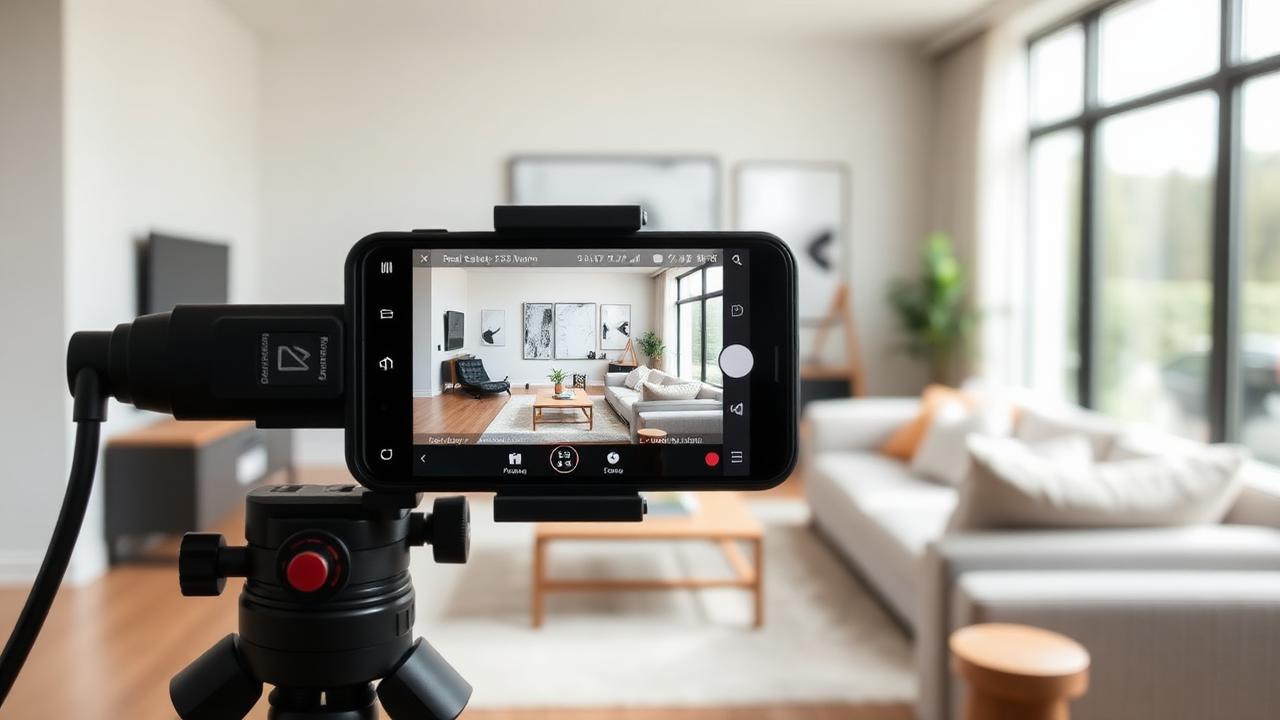
The shift is not just about where buyers look. It is about how they decide. Static photos in a magazine give a property one chance to impress. A short reel — 15 to 30 seconds of well-shot footage with good music — gives that same property dozens of micro-impressions, each one nudging a buyer toward the open home.
What makes a property reel work is almost always the first two seconds. Lead with the single most interesting thing about the home — the view, the light through the living space, the unusual feature — rather than a slow approach up the driveway. Every second spent establishing context is a second in which most of the audience leaves.
Across my own social channels (over 200,000 followers built over a decade) I see the same pattern again and again: listings backed by short-form video receive 3 to 5 times more enquiry than listings relying on photos alone. That is not theory — that is the data from my own campaigns.
What to spend on, in order: 1) Professional photography (non-negotiable). 2) A 30-second reel for Instagram and TikTok. 3) Paid Facebook and Instagram targeting to local buyer segments. 4) A longer YouTube walkthrough for serious buyers. Print, if any, comes last — and only for premium properties where the audience still reads it.
That order is deliberate, and photography sits at the top because everything below it depends on it. The reel is cut from the same shoot. The paid targeting shows the same images. Weak photography does not just produce a weak listing — it degrades every other line of the budget, which is why it is the last place to economise.
On paid targeting, the useful thing to understand is that geography is only the crudest lever. Local buyers matter, but so do people who already follow the suburb's community pages, people in the surrounding suburbs who would move in, and — for a family home — the audience a school zone defines. Targeting that is only a radius around the property is targeting on autopilot.
A longer walkthrough serves a different purpose from the reel and should not be judged by the same numbers. The reel is for reach; the walkthrough is for the small group who are seriously considering an offer and want to understand the layout properly before committing a Saturday. A few hundred views on a walkthrough can be worth more than tens of thousands on a reel, because of who those viewers are.
Ask your agent for the numbers afterwards, and ask for the right ones. Views and likes are the least useful figures available. What matters is enquiries, open-home attendance attributable to each channel, and how many of those became second visits. Any agent running paid social properly will have that data; an agent who only reports view counts is reporting the metric that is easiest to make look good.
The vendors who win in 2026 are the ones who treat marketing like a product, not an expense. Get this right and the campaign sells itself before the first open home.
One caveat I would want any vendor to hold onto: marketing does not make a property worth more than it is. It makes sure that everybody who would pay what it is worth actually knows it exists, and that enough of them turn up at the same time to compete. That is a large and valuable thing, and it is not the same as a higher price for its own sake. A well-marketed property at an unrealistic number still does not sell.